Is a Home Paternity Test the Right Choice for You? Advantages and Disadvantages
The decision to use a home paternity test is multifaceted. It delivers accessibility and confidentiality, drawing in those who desire swift conclusions. However, the potential for errors and psychological impacts can make things more difficult. Moreover, such tests hold no legal standing, prompting concerns regarding their validity. Grasping these considerations is of utmost importance. What might be the best course of action for individuals facing such dilemmas?
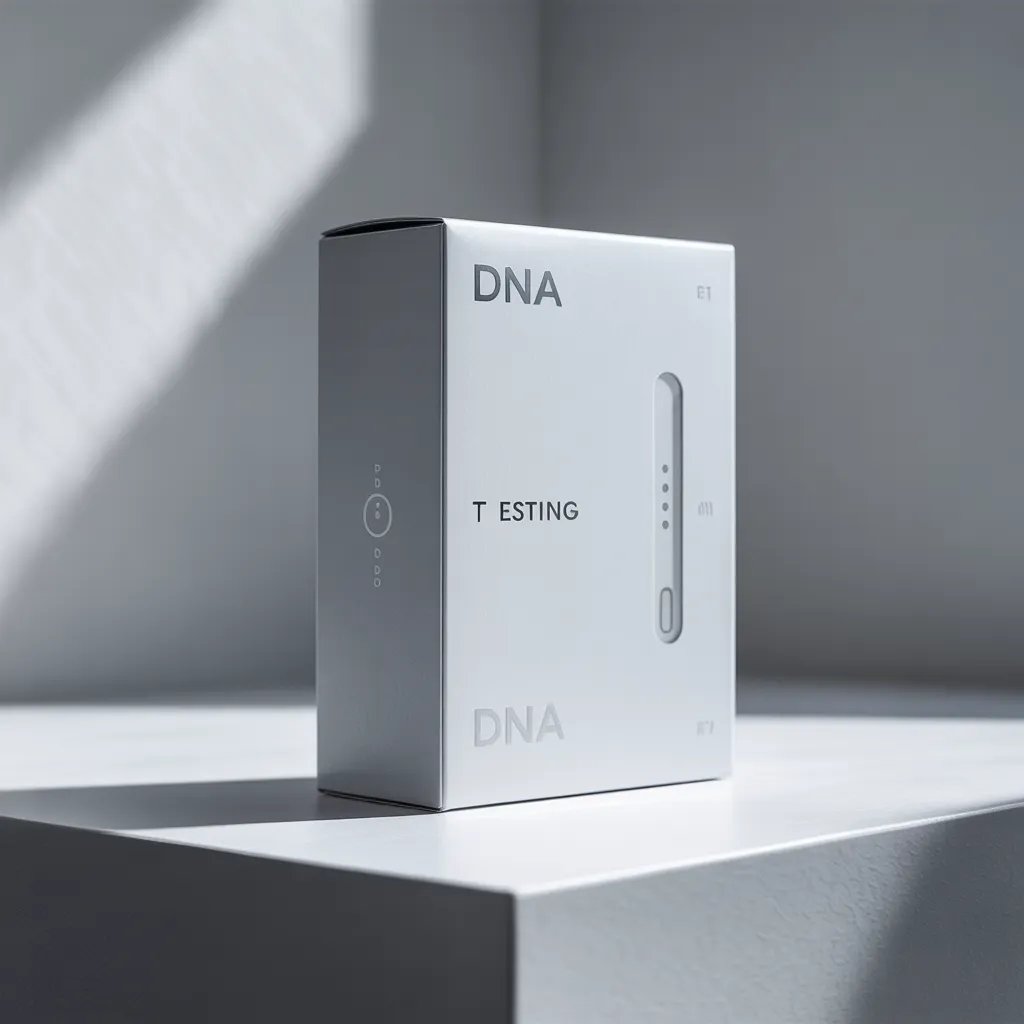
How Home Paternity Tests Work
Home paternity testing simplifies the process of determining genetic connections through a simple method. Generally, these tests require collecting DNA samples from the individuals involved, typically using buccal swabs. Participants adhere to the included guidelines to ensure correct sample gathering and processing. After the samples are collected, they are forwarded to a specialized testing facility for analysis.
In the lab, DNA is extracted and compared to assess genetic similarities. The testing process leverages sophisticated technology to pinpoint markers that suggest a hereditary link. Findings are typically delivered within a couple of days, providing clarity to individuals questioning biological ties.
While home paternity tests offer convenience and privacy, it is essential for individuals to understand that these tests are intended for informational purposes and may not hold legal standing. People seeking official results for explore this topic legal purposes may need to seek accredited testing at certified facilities.
The Key Benefits of At-Home Paternity Testing
Why choose a home-based paternity test? Numerous people value the convenience and privacy that these tests offer. At-home paternity testing supports discreet sample collection, typically requiring easy-to-use cheek swabs, which can be done without the necessity of a clinical specialist. This level of accessibility allows people for individuals to obtain findings at a comfortable pace and in a familiar environment.
Moreover, home tests are generally more affordable than laboratory tests, making them an attractive option for budget-conscious individuals. The time needed for results can also be faster, generally offering answers within several days.
Moreover, these tests can alleviate emotional uncertainty by delivering clear answers about paternity, which can be crucial for personal relationships and legal matters. In summary, at-home paternity tests offer a reliable solution for individuals seeking answers without the hassle of formal testing environments.
The Risks of Home Paternity Testing
Despite the appeal of convenient home paternity testing, potential risks should not be overlooked. One major issue relates to the precision of the findings. Home testing kits do not always meet the strict standards maintained by professional laboratories, potentially producing misleading or erroneous results. Furthermore, incorrect sample gathering can undermine the accuracy of the findings, since contamination or poor handling practices may distort the outcomes.
An additional risk concerns data privacy and security. Numerous home testing kits ask users to provide personal details, which may be susceptible to breaches or unauthorized use. Moreover, people may encounter unforeseen emotional repercussions, given that results have the potential to cause family tension or psychological distress.
Lastly, the potential legal consequences of home tests should be carefully examined. Data from these tests might not be valid in a court of law, reducing their value in court cases. In summary, while home paternity testing offers practicality, the related risks merit serious consideration.
Legal and Emotional Factors in Paternity Testing
Comprehending the emotional and practical implications of paternity DNA testing is important for anyone contemplating a home testing kit. The emotional consequences from uncovering unexpected results can be deeply impactful, affecting connections among parents, children, and extended family members. People should be ready for the possibility of experiencing anger, anxiety, or confusion that may stem from the paternity test findings.
Legally, the implications may also be substantial. The findings from a home paternity test might not hold up in court, possibly creating complications in custody or child support cases. As a result, individuals thinking about these tests should seek legal counsel to fully understand their rights and options. Additionally, confirmed paternity may result in responsibilities related to child support and inheritance, introducing an additional dimension of complexity. Ultimately, a thorough understanding of both the emotional and legal dimensions is vital for effectively managing the possible consequences of paternity testing.
Is a Home Paternity Test the Right Choice for You?
Determining whether a home paternity test is appropriate involves careful consideration of various factors. People considering this choice are advised to reflect on their intentions, as the emotional impact can be considerable. A home test offers convenience and privacy, but it falls short of the legal recognition afforded to laboratory-based tests, which are often required for custody or support cases.
In addition, accuracy is an important consideration; while most home testing options are dependable, inconsistencies may arise. Users should also evaluate the possible effects on family relationships, as findings can produce unforeseen outcomes. Moreover, the affordability of home tests ought to be considered against the likely necessity of additional professional testing.
At the end of the day, a thorough assessment of one's own circumstances, emotional preparedness, and lasting implications is necessary. Consulting with a professional may help clarify the situation, enabling people to reach an educated conclusion about whether a at-home paternity test aligns with their needs.
Questions We Often Receive
How Do Home Paternity Tests Compare in Accuracy to Lab Tests?
Residential paternity tests generally provide accuracy rates exceeding 95%, on par with lab tests. That said, factors like the quality of the sample and examination procedures may affect the outcome. When seeking reliable conclusions, laboratory-based testing is still considered the gold standard.
How Trustworthy Is the Privacy of Home Paternity Test Results?
Trust in the privacy of home-based paternity test results differs by organization. Reliable providers apply strict confidentiality protocols, but individuals should examine practices and client testimonials to guarantee sensitive details remains protected throughout the process.
What Is the Typical Cost of Home Paternity Tests?
At-home paternity tests usually range from $100 to $500, depending on the provider and the complexity of the test. Additional expenses may occur for expedited results or specialized testing services, influencing the final price.
How Much Time Does It Take to Receive Results From a Home Test?
Home paternity test results generally take anywhere from three to seven days. Certain laboratories can offer faster processing options, returning results in as little as one to two days, depending on the laboratory's processing speed.
Are Home Paternity Tests Legal in All States?
Home-based paternity tests are broadly legal throughout all states; however, particular rules and requirements can differ. It's essential for individuals to verify local laws and confirm compliance with any necessary legal procedures before proceeding.
Comments on “Why a Home Paternity Test Provides 99.99% Accuracy”